PROTECTING YOUR LEGAL RIGHTS
Toxic Mold Exposure Lawyer
Colorado Toxic Mold Attorney
Being exposed to toxic mold can lead to serious health consequences, especially over a long period of time. If another party was liable for your toxic mold exposure, you may be able to seek damages through a personal injury claim. That said, it is important to have an experienced attorney on your side who is familiar with the nuances of these claims.
The Murphy Law Firm represents toxic mold exposure cases across the greater Westminster, CO, area. Whether you were exposed on another person’s property or in your own home, we can help you explore liability and understand your rights and options under Colorado law.
Request a consultation today by calling 303-536-7000.
What Is Toxic Mold Exposure?
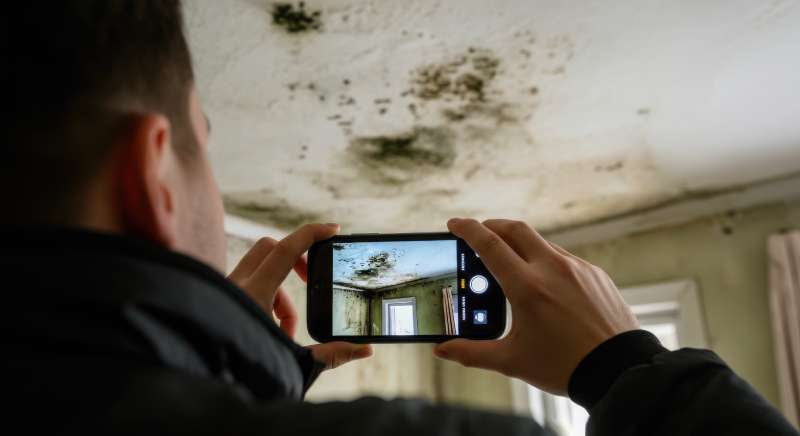
Mold is a fungus that grows in damp, wet places. Buildings can experience mold growth after a flood or leaks from a pipe, when moisture lingers behind walls or below floors. Prolonged exposure to indoor mold can lead to negative health effects, such as:
-
- Immune system changes: Indoor mold exposure can increase inflammation in the body, negatively impacting one’s immune response
- Asthma: Harvard Health states that childhood exposure to household mold increases a person’s risk for developing asthma.
- Allergic reactions: Many people are allergic to mold, leading to allergic responses. Symptoms may include headaches, sneezing, red eyes, runny nose, and even skin irritation.
- Mood changes: Extended mold exposure can lead to mood changes like increased anxiety, stress, and depression, according to a review of studies published in Environmental Health Perspectives.
- Stroke, neurological disorders, brian fog, memory loss, blurred vision, chronic fatigue, headaches, migraines, joint pain, and Mast Cell Activation Syndrome, have all been linked to toxic mold exposure.
Not all mold species are dangerous; for example, some molds are used in the production of dairy products. Black mold, or Stachybotrys, is one type of mold that can trigger an immune response. Common symptoms from black mold exposure can include:
-
- Coughing
- Sneezing
- Eye irritation
- Congestion
A person can experience symptoms of toxic mold exposure after just a few hours or days in a mold-ridden environment. Symptoms of mold exposure can also build up over time with prolonged exposure.
Some people experience no symptoms of mold exposure, which means members of the same household may react quite differently. Identifying mold exposure can sometimes be challenging. If you believe you are experiencing the effects of mold exposure in a property you do not own, speak with our attorneys about your rights and options.
Common Causes of Toxic Mold Exposure in Buildings
Mold can grow in your home or place of employment with the presence of just two conditions: moisture and a food source, such as carpet, wood, drywall, ceiling tiles, or other porous materials. Some issues that may increase the risk of mold growth include:
-
- High indoor humidity
- Lack of ventilation
- Moisture problems
- Roof leaks
- Flood damage
- Poorly designed building materials
- Malfunctioning air conditioning units that do not control indoor humidity properly
In some cases, the homeowner is responsible for identifying and clearing mold spores, and liability cannot be placed on another party. But in others, a building manager, landlord, or other entity may be responsible for mold remediation.
Who May Be Liable for Indoor Mold Exposure?
Several parties may be liable for indoor mold growth, depending on the type of environment and the circumstances:
-
- Landlords: A landlord or property manager may be liable for mold growth in a tenant’s unit. Tenant laws require property managers to maintain safe environments for tenants. Failing to repair leaks or remediate mold can lead tenants to experience upper respiratory symptoms and other health effects, signifying a hazardous environment that the landlord is responsible for mitigating.
- Home sellers: In some cases, a person selling a property may be liable for failing to disclose mold growth to buyers.
- Builders: Mold can sometimes grow due to construction defects and poor building practices. If you can trace the toxic mold growth to a building defect, the contractor or builder may be liable.
- Insurance companies: Insurance companies can also face legal action for denying, underpaying, or delaying legitimate mold-related claims.
- Property owner: If you experienced toxic mold exposure on another person’s property, the property owner may be liable under premises liability laws.
Our attorneys can help you explore liability in your toxic mold exposure case.
Understanding Tenant Rights in Colorado
If you rent housing, you have certain legal rights against mold exposure. When property managers violate these rights, you may have grounds for legal action.
Under Colorado law, tenants are required to notify a landlord promptly if their rental is uninhabitable or has an issue that could make it uninhabitable if not addressed.
Landlords are obligated to ensure premises are fit for human habitation at the start of a tenant’s lease and to maintain this fitness throughout a tenant’s rental period. Under this duty, landlords must take action after they receive notice of mold associated with dampness or conditions that cause the unit to be damp and could lead to mold growth if not addressed.
When a tenant reports such problems, a landlord must take action:
-
- Within 24 hours, if the condition interferes with the tenant’s health, safety, or life
- Within 72 hours, if the condition leaves the rental uninhabitable but does not impede health and safety
The actions a landlord should take to remediate toxic mold may include:
-
- Stopping active sources of water
- Installing a containment system
- Establishing additional protections for occupants, as appropriate
- Preventing future mold growth from the same condition
- Removing or decontaminating damp surfaces and materials impacted by mold
- Generally restoring the unit to an environment that is safe for human health
While the landlord controls mold growth, the tenant may request that the landlord provide a comparable hotel room or rental. If mitigation efforts take more than a few days, they may ask for a unit with a kitchen.
If your landlord has failed to mitigate mold growth in your rental unit, speak with our attorneys about your rights and options.
What if an Occupant Was Partially Liable for the Mold Growth?
In some cases, tenants or occupants may share partial liability for extensive mold growth in their places of residence. The defendant may claim that the plaintiff failed to take measures to prevent mold growth.
It is important that you take reasonable measures to prevent mold growth in your residence. If mold grows despite the following efforts, your landlord, contractor, or property manager may be liable:
-
- Running an exhaust fan while showering or cooking
- Not running a humidifier for an extended period
- Alerting your property manager to leaks immediately
- Drying wet surfaces and materials promptly
- Removing old food
- Keeping the unit clean and dry
Pursuing a Personal Injury Case for Toxic Mold Exposure
Our attorneys can help you understand your legal rights and options after experiencing toxic mold exposure. Generally, a personal injury claim must meet these criteria:
-
- The defendant owed you a duty of care.
- The defendant breached their duty of care.
- An injury or illness occurred due to the breach, leading to damages.
Landlords, contractors, and property owners all owe a duty of care to the people who lawfully enter their properties. Landlords owe a particular duty of care to tenants. They breach that duty of care when they fail to mitigate hazards that they know or reasonably should have known about.
To have a legal case for toxic mold exposure, you need to prove that you suffered damages due to the defendant’s breach of duty of care. In mold cases, these damages generally relate to health effects.
If you experienced serious black mold symptoms, mold allergies, asthma symptoms, or other significant conditions directly related to the mold exposure, you may be able to seek damages for:
-
- Medical expenses
- Time off work
- Pain and suffering
- Emotional distress
- Loss of quality of life
- Lost future earnings
If a contractor was liable for mold growth in a property you own, or if the mold damaged your belongings in a rental property, you may also be able to seek compensation for property damage.
If we believe you have a case, our attorneys can help you collect evidence. This might include:
-
- Communications with the building owner about the mold that they failed to mitigate
- Results from mold testing showing mold present in the unit
- Medical records showing the adverse health effects from the toxic mold exposure
- Medical bills indicating monetary expenses from the mold exposure
Seek Legal Assistance After Toxic Mold Exposure in Colorado
Exposure to mold indoors can place your health at risk and lead to long-term consequences. Our attorneys can help you pursue a personal injury claim for mold exposure and seek damages from the liable party.
The Murphy Law Firm represents clients across the Denver-Boulder Metro Area and all of Colorado through personal injury cases and insurance disputes. Schedule a consultation for your toxic mold case today by calling 303-536-7000.
What Damages Can You Seek in a Personal Injury Case?
Our attorneys can help you understand the potential value of your personal injury case based on factors such as the type of accident, the severity of your injuries, the value of any medical expenses paid, and your projected recovery timeline. Personal injury cases often give rise to both economic and non-economic damages.
Economic Damages
Economic damages seek to compensate you for the direct monetary costs you incurred from the accident. These may include:
- Medical bills
- Time off work
- Loss of future earning capacity
- Property damage
- Physical therapy
- Out-of-pocket expenses
- Ambulance bills
- Future medical needs
Non-Economic Damages
Personal injuries don’t just lead to monetary losses; they also significantly impact your livelihood. Non-economic damages seek to make up for the physical and emotional toll an accident has taken on your life. These may include:
- Pain and suffering
- Emotional distress
- Loss of quality of life
- Mental anguish
See What Our Clients Are Saying
